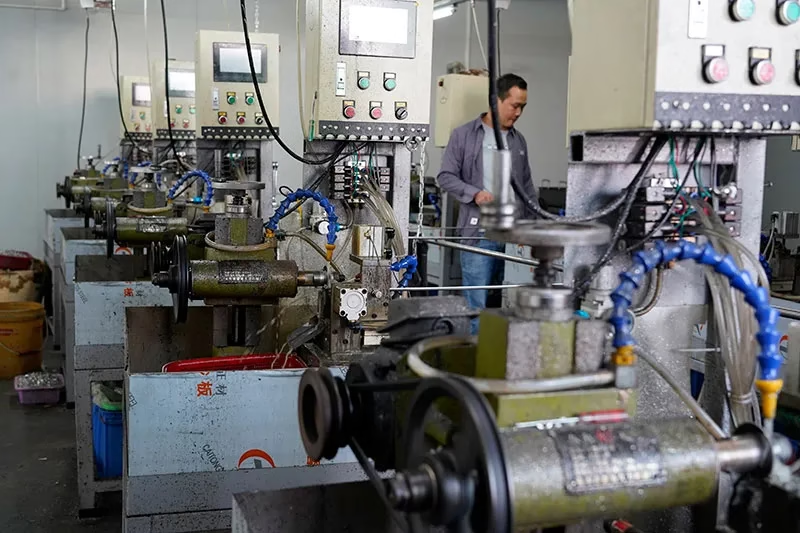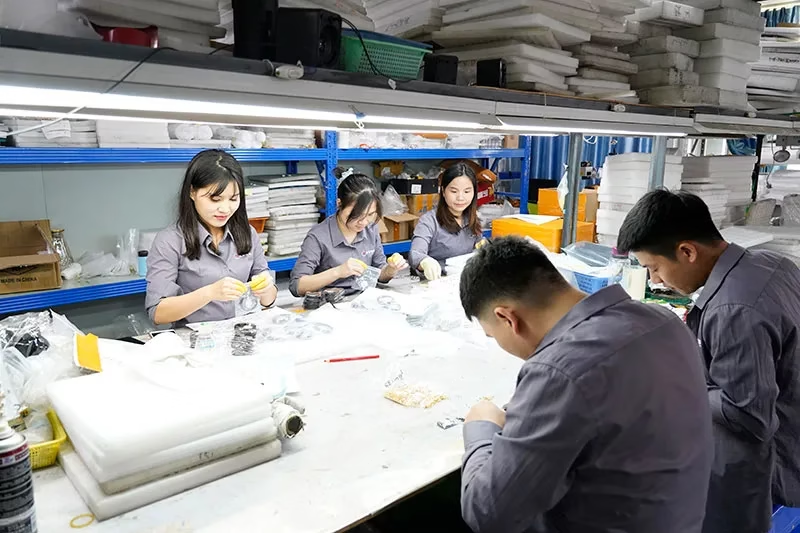
When shopping for gold jewelry, you’ve likely noticed two pieces that look identical but carry completely different price tags. One is labeled Gold Vermeil, and the other is Gold Plated.
If you’re asking, “What is gold vermeil?” or wondering whether 18k gold-plated jewelry is worth the investment, you aren’t alone. While they share a similar luxury look, their quality, durability, and skin-friendliness tell very different stories.
Gold Vermeil vs. Gold Plated: At a Glance
To help you choose between a luxury fine aesthetic and a budget-friendly find, here is the breakdown of how these two industry standards stack up.
| Feature | Gold Plated | Gold Vermeil |
| Base Metal | Brass, Copper, or 316L Stainless Steel | 925 Sterling Silver (Required) |
| Gold Thickness | Typically < 0.5 Microns (Thin) | ≥ 2.5 Microns (Thick) |
| Durability | Lower (Prone to tarnishing) | High (Built for daily wear) |
| Skin Safety | Risk of irritation/green skin | Hypoallergenic (Nickel-free) |
| Core Value | Fashion accessory value | Precious metal value |
What is Gold Vermeil? (The Luxury Choice)
Gold vermeil (pronounced ver-may) is the gold standard for high-quality, non-solid gold jewelry. To legally earn the “vermeil” name in the U.S., a piece must meet three strict criteria:
- Base Metal: It must be 925 sterling silver.
- Gold Thickness: The gold layer must be at least 2.5 microns thick.
- Gold Purity: Usually 14k or 18k gold vermeil.
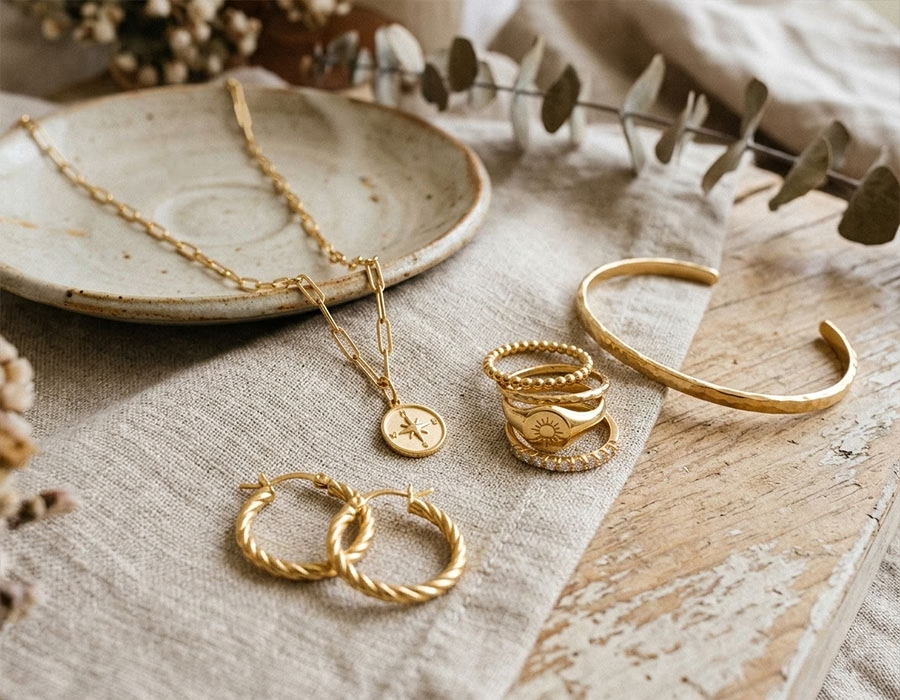
Because the core is a precious metal (silver) and the gold coating is significantly thicker, 18k gold vermeil is considered luxury fine jewelry. Even if the gold eventually thins over years of wear, you are left with valuable sterling silver underneath rather than cheap scrap metal. This makes it a perfect choice for custom pendant necklaces and other high-contact pieces.
Understanding Gold Plated Jewelry (The Trendy Choice)
Gold-plated jewelry is made by electroplating a thin layer of gold onto a base metal like brass or copper.
- The Layer: Standard gold-plated items have an extremely thin coating (about 0.5 microns).
- PVD Gold Plated: For brands focused on maximum durability, such as Dongguan Jinyuan Jewelry, PVD gold-plated stainless steel is a game-changer. While it technically isn’t “vermeil” because the base isn’t silver, PVD coating offers superior resistance to sweat and water.
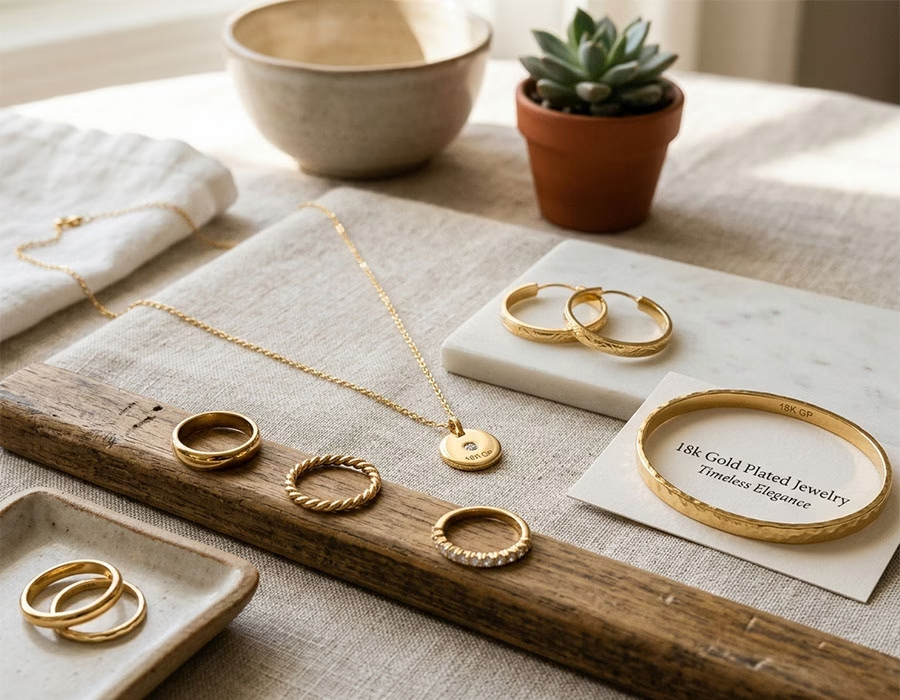
While a 14k gold-plated ring looks stunning initially, standard plating can wear off within months, potentially exposing the underlying metal, which may irritate sensitive skin. It is essential to learn how to identify poor-quality jewelry before making a bulk purchase.
Skin Safety: Is It Hypoallergenic?
If you have sensitive skin, the base metal matters more than the gold on top. Gold vermeil is naturally hypoallergenic because it uses sterling silver. Standard gold-plated jewelry often contains nickel or brass, which can cause that dreaded “green skin” effect once the thin gold layer wears down. For items like custom earrings, choosing a safe base metal is non-negotiable.
The Verdict: Which Should You Choose?
- Choose Gold Vermeil if: You want a luxury look that lasts for years, you have sensitive skin, or you want a piece with intrinsic precious metal value.
- Choose Gold Plated if: You are looking for a trendy, low-cost accessory for occasional wear, or you are prioritizing a specific fashion style over long-term durability.
Final Pro Tip
Jewelry brands and B2B buyers may find that the “best” selection often depends on the customer base they serve. If waterproof durability is required, the most common method in the jewelry industry is PVD (Physical Vapor Deposition) vacuum plating on stainless steel. If luxury and prestige are the primary objectives, then Gold Vermeil is likely the preferred option.
Would you like more information regarding sourcing high-quality 18k gold vermeil or PVD-plated jewelry? Please reach out to our experienced team today to learn more about custom manufacturing.
With over 10 years of experience in the stainless steel jewelry industry, Lydia Ling brings deep industry knowledge and hands-on market expertise to her role. As an accomplished Sales Manager, she has a strong understanding of product development, manufacturing processes, and global customer needs. Through the company blog, Lydia shares practical insights and industry know-how to help readers better understand stainless steel jewelry and make informed business decisions.