Many businesses have faced the difficulties of selling sterling silver. Product damage during shipping, rings becoming misshapen from wear and tear, and volatile pricing due to market fluctuations are significant logistical hassles that come with selling sterling silver.
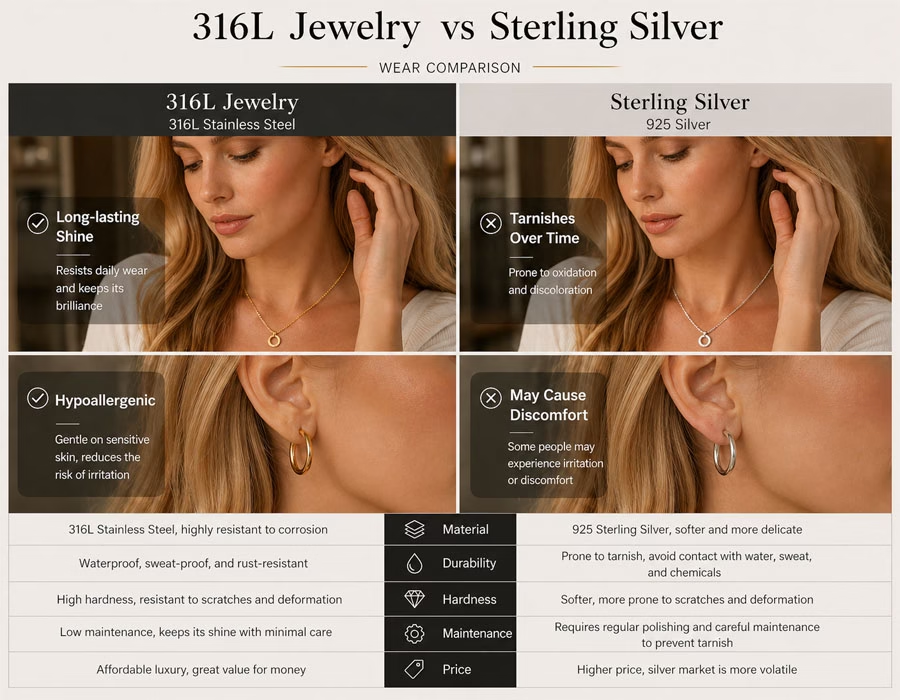
Many of our high-growth partners in Europe and the USA have recently begun a major strategic shift towards 316L stainless steel (surgical steel). Not only does this provide cost savings, but, more importantly, it will give your customers an “easy-to-care-for” experience, which is what most modern consumers are seeking.
The following is an objective, professional assessment of why 316L stainless steel is winning the race to replace sterling silver as the preferred material for sourcing jewelry.
1. The Death of the “Tarnish Complaint.”
The biggest concern with .925 sterling silver is oxidation. For e-commerce brands, if a silver necklace is stored in a humid warehouse for two months, it may appear dull or even blackened by the time it reaches the customer.
316L stainless steel contains chromium and molybdenum, two elements that form a self-repairing oxide layer.
- Zero Oxidation: No need for frequent polishing—it stays as bright as new.
- Inventory Assurance: You can stock up with confidence, without worrying about the “shelf life” of the finish.
- Truly Water-Resistant: Unlike silver jewelry that fears chlorine and salt, 316L jewelry is truly shower- and ocean-proof.
2. Durability: Why “Tough” is the New Luxury
Modern jewelry isn’t just for date nights—it’s also perfect for CrossFit workouts, commuting, and hectic mornings. Sterling silver is relatively soft (with a Mohs hardness of just 2.5 to 3), which can cause earring posts to bend, ring bands to warp, and gemstones to fall out of loose settings.
316L stainless steel is significantly harder, offering your brand a major technical advantage:
- Precise Edges: The steel’s hardness allows for sharper, “industrial-style” details that silver jewelry cannot maintain over time.
- Lower Return Rates: Jewelry is less likely to bend or break. Brands that switch to 316L steel typically report a 40% reduction in defect-related return rates.
- Everyday Reliability: Whether it’s a rugged chain or a delicate ring, steel maintains its structural integrity for years.
3. The PVD Advantage: Gold Finishes That Last
Most customers want the look of 18K gold without paying the price of solid gold. When applied to sterling silver, gold plating (Vermeil) is notorious for wearing off after just a few weeks of daily wear.
At Jinyuan, we use PVD (Physical Vapor Deposition) on our 316L pieces.
- Molecular Bonding: The PVD gold coating bonds tightly to the steel in a vacuum environment, resulting in exceptional resistance to friction and sweat.
- Durability: Steel jewelry treated with PVD gold plating retains a “real gold” luster for 1 to 2 years of daily wear, whereas traditional silver-plated jewelry typically lasts only 3 to 6 months.
4. Real-World Hypoallergenic Safety
Although silver itself is generally safe, it is typically alloyed with copper (and sometimes contains trace amounts of nickel) to make it hard enough for wear. This is precisely what causes skin discoloration or rashes.
316L is a surgical-grade stainless steel, the same material used in medical implants and high-end watches. For brands targeting people with “sensitive skin,” promoting a product line as “100% hypoallergenic and non-irritating” is a highly persuasive marketing tool that instantly builds consumer trust.
5. Pricing Stability & Scalability
As a buyer, you are well aware of the extreme volatility of the silver market. A single global event can cause your cost of goods sold (COGS) to skyrocket overnight.
Stainless steel, on the other hand, offers price stability. This allows you to maintain consistent retail prices across multiple sales seasons. Furthermore, the OEM/ODM production process for stainless steel is highly scalable, enabling you to achieve highly competitive pricing while retaining the premium feel and weight of “platinum.”
Final Thoughts: Is It Time to Switch?
We don’t think sterling silver is “dead”—it still has a place in the heirloom and high-fine jewelry world. But if your brand is built for Travel, Fitness, or Minimalist Essentials, 316L is the superior business move.
It solves the two biggest pain points in the industry: Tarnish and Returns. Ready to see how 316L can upgrade your product lineup? Let’s chat about your next custom collection. We’re here to help you build jewelry that stays as bright as your brand’s future.
With over 10 years of experience in the stainless steel jewelry industry, Lydia Ling brings deep industry knowledge and hands-on market expertise to her role. As an accomplished Sales Manager, she has a strong understanding of product development, manufacturing processes, and global customer needs. Through the company blog, Lydia shares practical insights and industry know-how to help readers better understand stainless steel jewelry and make informed business decisions.