In the high-end jewelry sector, “gold color” is often a source of technical frustration. Many brands struggle with bulk production that looks unnaturally yellow, greenish, or fades within weeks. Achieving a consistent 18K gold tone on medical-grade stainless steel is not a cosmetic trick—it is a rigorous engineering process that bridges the gap between industrial durability and fine jewelry luxury.
Technical Performance: PVD Ion Plating vs. Traditional Methods
To understand why some finishes endure for years while others fail in months, we must look at the bond strength and surface hardness.
| Feature | PVD Ion Plating | Traditional Electroplating |
| Method | Vacuum Atomic Fusion | Chemical Bath |
| Bond Type | Molecular-Level | Surface Adhesion |
| Hardness (HV) | 2,500+ (Extremely Hard) | 150 – 200 (Soft) |
| Typical Lifespan | 2–5 Years (Daily Wear) | 3–6 Months |
| Sweat Resistance | High (Gym & Ocean Safe) | Low (Causes Oxidation) |
| Sustainability | Zero-Waste Process | Harsh Chemical Runoff |
The Four Pillars of a Premium 18K Finish
1. The Substrate: 316L Surgical Steel
A luxury finish is only as good as the “bones” beneath it. We utilize 316L Stainless Steel, which contains Molybdenum. This creates a non-reactive surface that prevents “base-metal bleed”—the phenomenon where cheaper alloys oxidize and cause skin discoloration. Understanding the difference between 316L vs 304 stainless steel is critical for ensuring the longevity of the gold layer.
2. Surface Topography (Mirror-8 Polishing)
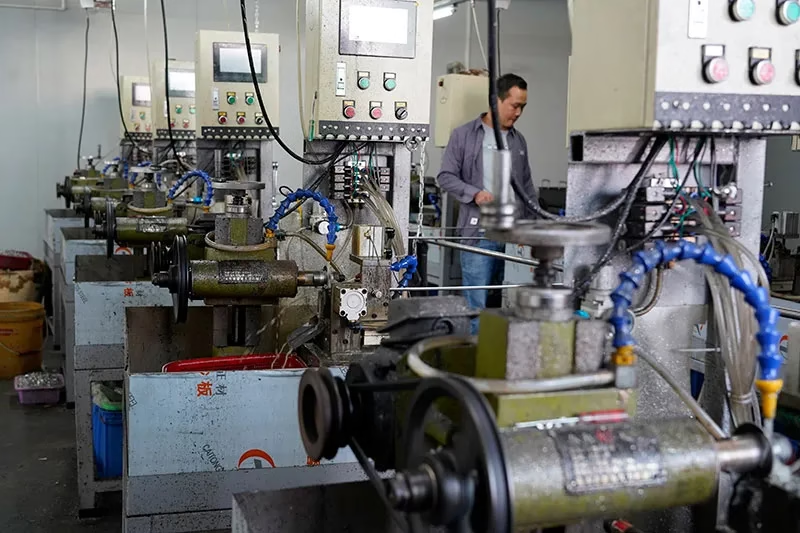
Light reflection is the soul of color. Before coating, the steel undergoes multi-step precision grinding. If the surface has microscopic “peaks and valleys,” the light scatters, making the gold look dull. We polish to a Mirror-8 grade to ensure the finish has the liquid-like depth of solid 18K jewelry.
3. PVD Ion Fusion
Unlike traditional dipping, Physical Vapor Deposition (PVD) occurs in a zero-oxygen vacuum. Real 18K gold atoms are vaporized into a plasma state and “fired” at the jewelry. These ions embed themselves into the metal lattice of the steel, creating an atomic bond that cannot be chipped or peeled. For a deeper dive into this technology, refer to our complete guide to the PVD process.
4. Spectral Color Calibration
Achieving a buttery, warm 18K glow—avoiding the “neon” or “copper” tints—requires precise control of Nitrogen and Argon gas ratios within the chamber. This ensures every production batch matches the specific warm hue required by global luxury markets.
FAQ: Industry Standards and Maintenance
Q: Does 18K gold PVD jewelry tarnish or turn skin green?
A: No. Because the base material is 316L steel (copper-free) and the PVD bond is molecular, it does not oxidize. It is 100% hypoallergenic and safe for sensitive skin.
Q: Can I wear PVD-coated jewelry in the ocean or gym?
A: Yes. PVD coating is highly resistant to sweat, chlorine, and saltwater. To maintain the luster for over 5 years, we recommend rinsing with fresh water after salt exposure.
Q: Is “Gold Stainless Steel” actually real gold?
A: Yes. The PVD process uses high-purity gold targets. While the core is steel for strength, the atoms fused to the surface are genuine 18K gold.
Q: How do I clean 18K gold-toned stainless steel?
A: Use warm water and mild soap. Avoid abrasive polishing cloths or harsh chemicals like bleach. The PVD layer is so durable it doesn’t need aggressive cleaning to shine.
The Bottom Line
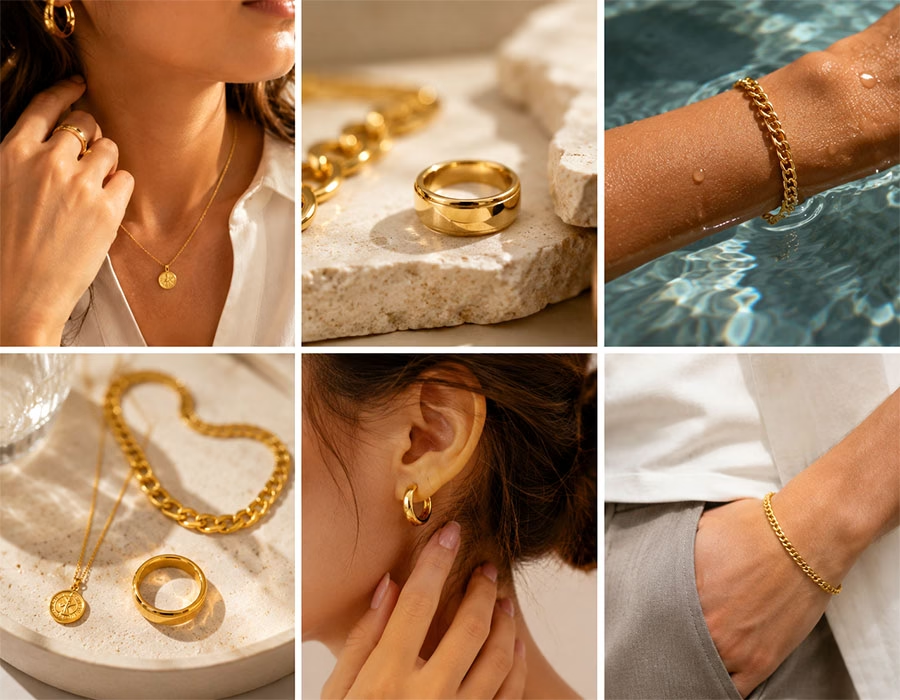
In 2026, luxury is defined by performance. By combining the atomic strength of PVD technology with the aesthetic of 18K gold, manufacturers can provide jewelry that looks identical to solid gold but possesses the longevity of industrial-grade tools. True 18K color on steel is the result of Material Purity + High-Vacuum Physics.

Emily Tan brings over 12 years of experience in the stainless steel jewelry industry, combining deep product knowledge with keen market insight. Fluent in English and French, she excels at connecting with international clients and driving business growth. As a talented sales manager and company blogger, Emily shares practical industry insights and valuable guidance, earning the admiration of readers and professionals alike.