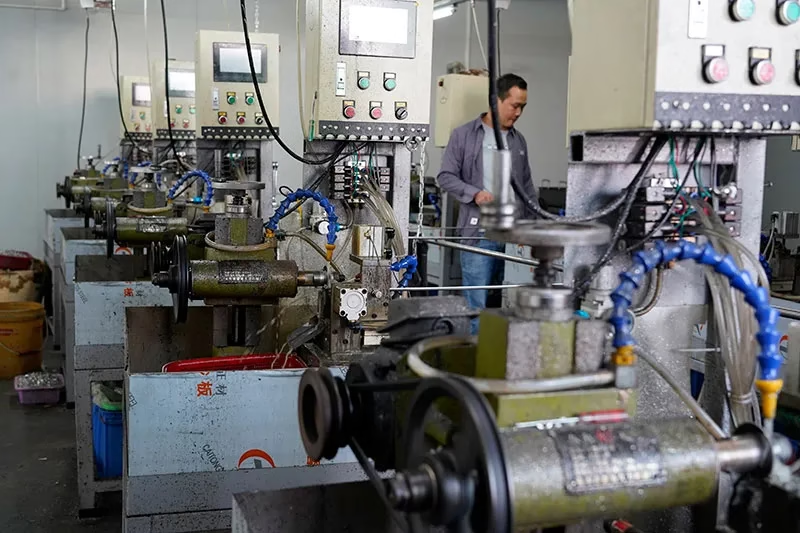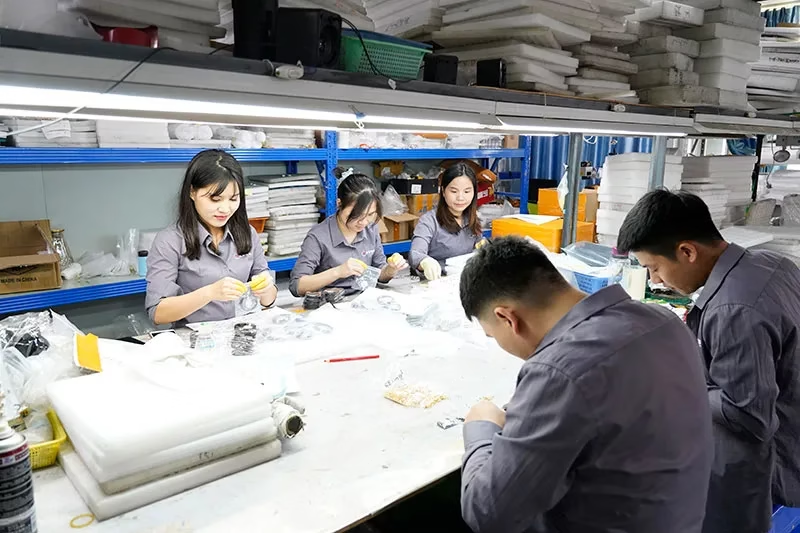
In today’s world of luxury design, the choice of materials has changed dramatically. They are no longer chosen solely for their cost or fundamental durability; instead, they are selected for identity, emotional connection, and high-end visual storytelling. One of the most significant ways in which contemporary jewellery and haute horology are being transformed is through a conscious blending of industrial-quality stainless steel, high-tech precision zirconia, and colourful stones.
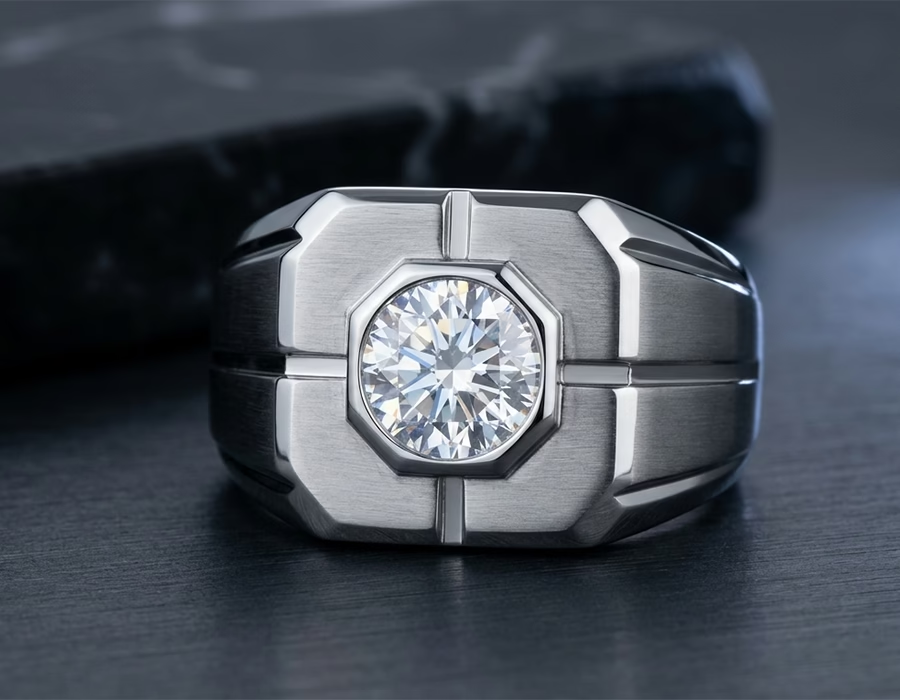
The merging of these materials creates an innovative combination that perfectly fuses the cold industrial strength with the beautiful warm brilliance (mastercut stones). These types of materials were typically associated with machines, but are now dominating the high-fashion markets, as “soft glam” combined with structure has changed perceptions of what constitutes functional luxury in the 21st century.
The Core Trio: Redefining High-End Material Science
To truly appreciate this aesthetic, we must analyse how these three distinct components interact under the hands of master craftspeople. It is a calculated contrast between structural performance and timeless radiance.
1. Modern Industrial Steel (316L & 904L)
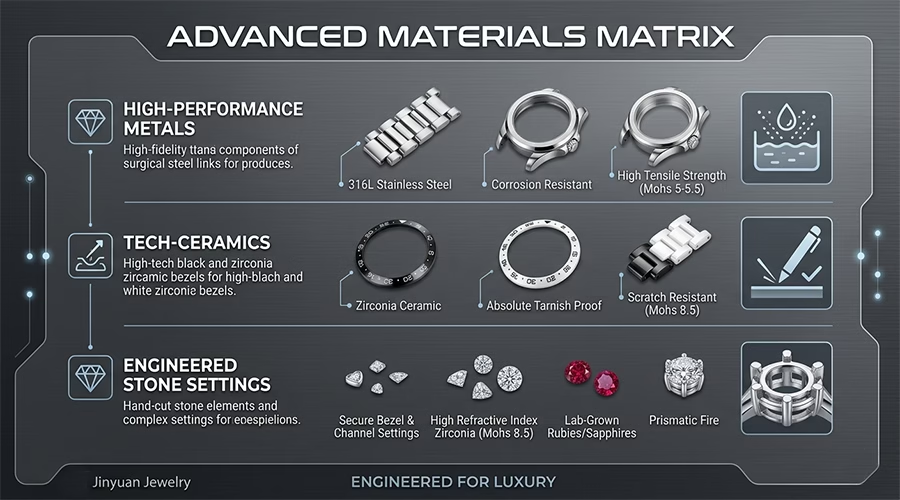
Often referred to as surgical steel or Oystersteel, premium stainless steel serves as the rigid, unyielding canvas of the design. Offering high density and sharp metal lines, steel allows for intricate brushing, edge polishing, and satin finishes. Unlike soft precious metals, it offers an industrial minimalism that resists everyday wear without warping. To make the most cost-effective decision for your inventory, discover how this material stacks up against other commercial grades in our 316L vs 304 Stainless Steel Jewellery: Full Guide.
2. High-Tech Precision Zirconia (Ceramic & Cubic Crystalline)
The term “zirconia” spans two extraordinary luxury applications in the jewellery world:
- Zirconia Ceramic (High-Tech Block Matrix): Used by elite watchmakers for scratch-proof bezels and structural links, sintered at extreme temperatures to yield deep, liquid-matte colours.
- Cubic Zirconia (CZ Crystals): Precision hand-cut stones that possess a high refractive index, splitting light into a dazzling spectrum that closely rivals mined diamonds.
3. Vibrant Gemstones & Natural Elements
Whether embedding natural semi-precious stones (like deep black onyx, Southwestern turquoise, or banded malachite) or high-grade lab-grown sapphires and rubies, gems break up the metal’s sterility. They inject organic colour narratives, cultural texture, and emotional depth into the clean chrome lines.
Structural Showdown: How Advanced Fusion Redefines Jewellery Value
Traditional fine jewellery ties its value entirely to the volatile spot prices of gold or platinum—a commodity trap. Advanced materials fusion delivers premium value through mechanical innovation, complex design IP, and extreme-lifestyle resilience.
- Material Matrix: 316L/904L Steel + Zirconia / Gems
- Tarnish Immunity: Absolute (100% waterproof, saltwater, & chlorine resistant)
- Hardness Metric: Extremely High (Steel: 5–5.5 Mohs; Zirconia: 8.5 Mohs)
- Skin Safety: Implant Grade (Hypoallergenic; zero skin discolouration)
- Modern Value: Conscious Luxury (High design IP, sustainable lifecycle)
- Material Matrix: Traditional Fine Jewellery (14K/18K Gold)
- Tarnish Immunity: High (Resistant, but requires professional cleanings)
- Hardness Metric: Medium-Low (Gold scratches and thins out easily)
- Skin Safety: Excellent (If completely nickel-free)
- Modern Value: Generational Investment (High raw commodity cost)
- Material Matrix: Sterling Silver (.925)
- Tarnish Immunity: Low (Oxidises rapidly in open air, turns black)
- Hardness Metric: Low (Soft metal prone to bending and denting)
- Skin Safety: Moderate (Frequently contains skin-irritating alloys)
- Modern Value: Fast Fashion (Low longevity, frequent replacement)
Three Key Aesthetic Features Driving Global Trends
1. The Power of Textural Tension
Great design thrives on juxtaposition. The icy, clean, structural geometry of industrial steel creates a sharp frame for the warm, prismatic fire of bezel-set zirconia or natural onyx. This pairing creates a dual sensory experience—the heavy, cold weight of engineered metal balanced against the smooth, glass-like touch of high-tech ceramic.
2. High-End Micro-Engineering & Horological Influence
This trend pulls directly from the playbook of elite Swiss watchmakers. Legendary icons—such as the luxury sports chronograph with its proprietary zirconia-tungsten composite bezels, or premium architectural watches fusing fine steel with black ceramic and brilliant gemstone accents—have proven that alternative materials represent the absolute peak of wearable art. See how our production floor utilises this same technical calibre by exploring our insights on High-Precision CNC-Machined Jewellery for Luxury Brands.
3. Overcoming the Setting Challenge (Craftsmanship)
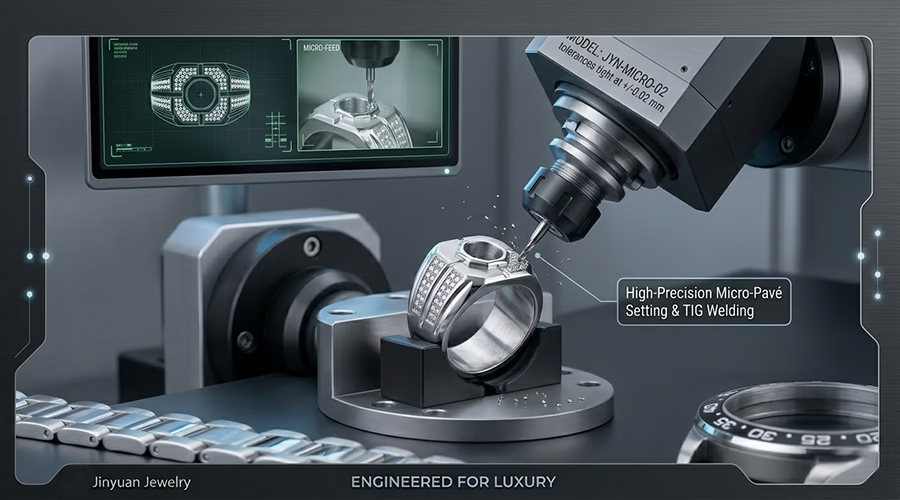
Securing soft gemstones or cubic crystals within ultra-hard materials such as 316L steel or sintered zirconia requires immense craftsmanship. Because steel cannot be moulded around a gem like soft gold, master lapidaries utilise advanced CNC precision machining (with tolerances of +/-0.02 mm) and clean TIG welding to lock the stones into invisible or flush-bezel channels mechanically. If you are looking to scale your retail brand with these high-end, structured silhouettes, feel free to browse our manufacturing capabilities for Custom Stainless Steel Rings tailored exactly to your target market.
Conscious Luxury & The Shift in Modern Sourcing
The global growth of eco-friendly or sustainable engineered goods is not only an attractive concept in appearance, but a cultural shift towards being an ethical consumer. Modern-day independent brand owners and collectors have chosen to move away from using traditional precious metals as a marking system for jewellery towards responsibly engineered or sustainable jewellery.
In alignment with the sustainable evolution of jewellery, stainless steel will continue to provide a fantastic sustainable option. Stainless steel is one of the more recyclable materials available and is usually 100% recycled from high-purity industrial sources, resulting in a much smaller carbon footprint over its lifespan.
Additionally, when paired with lab-grown responsibly harvested diamonds or high-quality conflict-free zirconia, jewellery buyers will be able to experience the same level of luxury as traditional gold jewellery, with respect to having the same aesthetic qualities, structural integrity and longevity without the carbon footprint, negative impact on the environment of mining activities or excessive price markups associated with traditional gold jewellery.
Frequently Asked Questions
Q: Is stainless steel truly considered a premium luxury material? A: On its own, raw steel is an industrial commodity. However, within contemporary design, surgical steel (316L/904L) is firmly recognised as a luxury canvas. Its ability to hold crisp, razor-sharp architectural edges and withstand extreme environments has made it the primary material for luxury sports watches and avant-garde, structural jewellery lines that are physically impossible to craft from soft precious metals.
Q: Will the zirconia or inset stones lose their fire over time? A: Premium Cubic Zirconia features an exceptional hardness rating of 8.5 on the Mohs scale, making it highly scratch-resistant. If a piece appears to lose its sparkle, it is rarely permanent. Because steel pieces are worn everywhere, they collect fine films of daily hand lotions, sunscreens, or skin oils. A gentle wash instantly restores the stone to full brilliance.
Q: How do I clean and maintain steel-and-stone hybrid jewellery? A: Maintenance is incredibly simple. Submerge your pieces in warm water mixed with a few drops of mild dish soap. Use a soft-bristled toothbrush to clear out any residue from behind the stone channels, rinse under fresh water, and dry thoroughly with a soft microfiber cloth. Avoid using commercial ultrasonic cleaners if your piece features organic, porous inlays like natural turquoise or wood.
Q: Can a luxury stainless steel or zirconia band be resized? A: Due to the intense tensile strength of steel and the rigid crystalline nature of zirconia, traditional jewellery torches cannot cut and solder these bands. Therefore, standard resizing is not possible. For items like wedding bands or custom signet rings, it is critical to get accurately measured using a physical sizing tool before production.
Invest in Timeless, High-Performance Elegance
In the present day, luxury is defined around having it all out in the open every day instead of just getting to wear your nicest pieces for a (once-in-a-while) special occasion with no fear of being hard on them (through small scratches or (even worse) rust or (even worse) tarnish). This is made possible by combining highly durable stainless steel, very high-tech zirconium oxide and beautiful gemstones to give you the freedom to lead a very active lifestyle with all of your glamour intact.
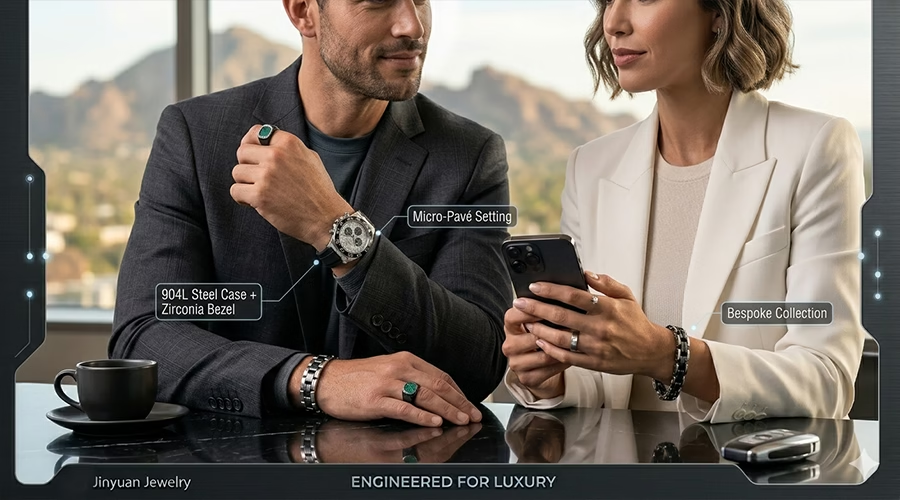
If you are searching for an eco-friendly bridal alternative, a stunning everyday cuff statement cuff, or a great way to accessorise your architectural style timepieces, look through our brand new collection of mixed-material capsule lines! If you’d like to bring your own custom production run to life today, please feel free to get in touch with our engineering and manufacturing team.
With over 10 years of experience in the stainless steel jewelry industry, Lydia Ling brings deep industry knowledge and hands-on market expertise to her role. As an accomplished Sales Manager, she has a strong understanding of product development, manufacturing processes, and global customer needs. Through the company blog, Lydia shares practical insights and industry know-how to help readers better understand stainless steel jewelry and make informed business decisions.